Why Mortise Lock Repair in Older Queens Homes Is a Specialty Job
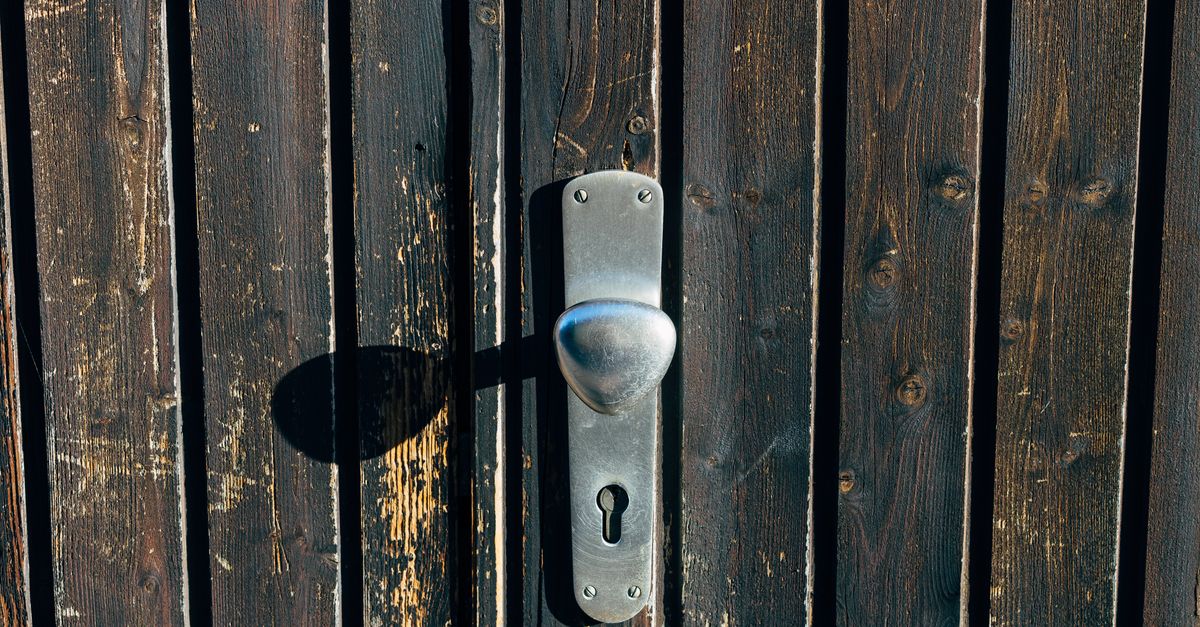
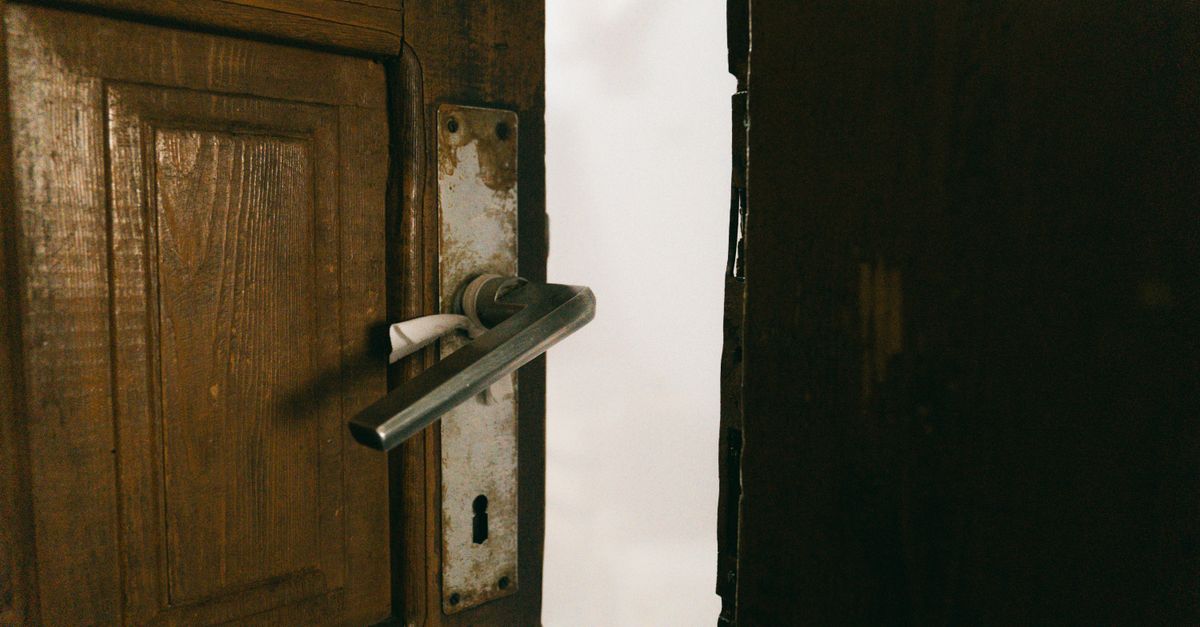
Most of the mortise lock sets installed in Queens homes between the 1920s and 1970s were manufactured by brands that understood heavy-use urban environments: Corbin Russwin mortise lock bodies, Sargent, Yale, and similar heavy-duty American hardware. A Corbin Russwin mortise lock from a 1940s Jamaica Estates brownstone, for example, is a precision-machined assembly with a cam follower, multiple levers, a separate latch bolt, and an integrated deadbolt — all packed into a case roughly three inches deep and seven inches tall. When one internal part fails, the whole door can become either stuck open or stuck closed. Swapping it for a modern cylindrical lock is rarely the right answer; it would mean destructive door modifications that alter the door's structural integrity and period character. Our technicians are trained specifically to service, rebuild, and replace these legacy assemblies without unnecessary damage to the door or frame.
Common failure points our team encounters every week across Queens include: seized or frozen deadbolts (usually caused by years of grime and dry lubricant buildup inside the case), broken cam followers from forceful turning, worn latch springs that no longer retract properly, and stripped tailpieces that cause the mortise lock cylinder to spin without actuating the bolt. Each of these is diagnosable on-site. We carry a curated parts inventory sized for the most common period lock bodies found in this borough, and for less-common assemblies, we can source and return — typically within the same day or next morning.