Signs Your Door Knob Lock Replacement Is Overdue
Most knob locks do not fail all at once. They send signals first: a key that suddenly needs wiggling, a latch bolt that retracts sluggishly, a knob that spins freely without engaging the mechanism, or a lock cylinder that feels loose inside the rose plate. In older Queens row houses and co-op buildings — especially those built during the post-war construction boom in neighborhoods like Woodside or Briarwood — original knob hardware is often still in place decades later, well past any reasonable service life. Worn tumblers inside the cylinder are a particular concern because a worn lock is nearly as easy to manipulate as one left open, which is precisely why locksmiths, security consultants, and building inspectors consistently flag aged knob locks as a top vulnerability.
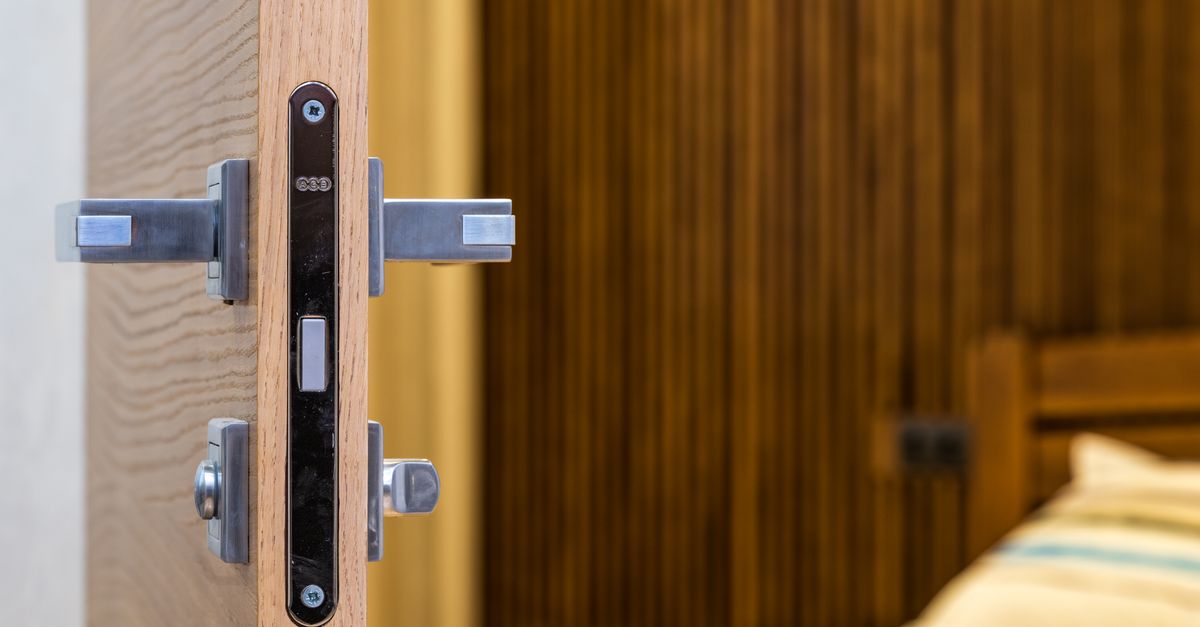
Interior doors — bedrooms, bathrooms, home offices — typically use a door knob with lock designed for privacy rather than high security, meaning the cylinder is simpler and the latch thinner. Entry doors demand something far more robust. If your entry door still relies solely on a knob lock rather than pairing it with a deadbolt or upgrading to a mortise lock assembly, now is the time to act. A mortise lock integrates the latch, deadbolt, and strike plate into a single pocket cut into the door edge, providing a level of structural resistance that a surface-mounted knob simply cannot match. Our technicians evaluate both the door and the frame condition before recommending any hardware, because even the best lock underperforms in a weak frame.